

Before considering Medication for Social Anxiety Disorder, let’s examine the common symptoms.
Suppose you are standing in a class or a place surrounded by people where you need to answer a question. Luckily you know the answer. But even so, you feel extremely terrified to answer that simple question.
Feels as though every eye is on you, and they are staring at you in a very distinct manner. Instead of focusing on answering, your mind starts feeling fear and slowly or immediately goes blank.
Suddenly you think/feel that they have found out that you are very scared at this time, and they are assuming that you might act strangely. They may have read the fear on your face and in your eyes.
As a result of these feelings, you start answering or behaving in an unusual way, and you do not even understand why it is happening. Your voice may tremble, you may start babbling, and body may start shaking. And that may embarrass you there.
Let’s first get to know about the disorder; otherwise, click “Medication for Social Anxiety Disorder.”
What is Social Anxiety Disorder?
Social anxiety disorder (previously known as Social Phobia) is a condition in which a person feels extreme fear of being watched and judged negatively.
There is a difference between shyness and chronic/excessive anxiety. Being a little anxious in performance situations is normal. Some people who are introverts may experience some of these issues.
But in this disorder a person often avoids these situations due to fear of being judged, and this starts obstructing his daily life in an adverse way.
Symptoms
This disorder mostly starts in childhood, and as you grow, the symptoms and habits may change. Symptoms for social anxiety disorder can vary person to person.
Emotional symptoms:
- An intense fear of being watched and being judged by people around at all times. You may feel this anxiety while walking anywhere, standing in a queue, or even eating among people. Doing tasks when some stranger is nearby can feel difficult
- A social event or gathering makes you anxious long before
- Being self-conscious and nervous in a group, especially strangers
- While analyzing performance, mostly finds self-made wrong perceptions
- Talking to strangers feels very intimidating, especially on a date
- Thoughts of rejection by friends
- Oversensitivity to criticism

Behavioral symptoms:
- Avoiding places of social gatherings and situations where you might be the cynosure
- Difficulty making eye contact, mostly with strangers
- Mind goes blank in many situations
Physical symptoms:
- Blushing
- Trembling
- Sweating
- Rapid heartbeat
- Being in doubt about your body posture while standing in a group.
- Feeling out of breath
- Sometimes upset stomach
- Nausea
- Muscle tension
- Too soft voice
Hesitation on going to common places
- Public toilets
- School
- Dating
How it affects daily life
This can change your life’s direction in a way that you might not have imagined.
- When you start evading social gatherings and events and prefer isolation, this really impacts your relationships with friends and relatives
- It surely affects your academic performance and ultimately your career
- Excessive anxiety, fear, and stress for a long time can give rise to dissociation and avoidance
- After repeatedly thinking that everyone views you negatively and feeling that you are going to be rejected, your self-confidence diminishes over time.
Causes and Risk Factors
Genetic susceptibility
Mental health issues like social anxiety disorder can run in families from parents to children and among siblings. But discovering the origin of these issues in the family is a different matter.
Brian Chemistry
In people with social anxiety, the amygdala tends to be hyperactive, especially when facing social situations (like meeting new people or being judged). It may interpret neutral or mild social cues as threatening. This over activity triggers stronger fear and anxiety responses—such as rapid heartbeat, sweating, or avoidance—even when there’s no real danger.
But it’s not just the amygdala; causes of social anxiety disorder usually involve a network of factors.
Past Experiences
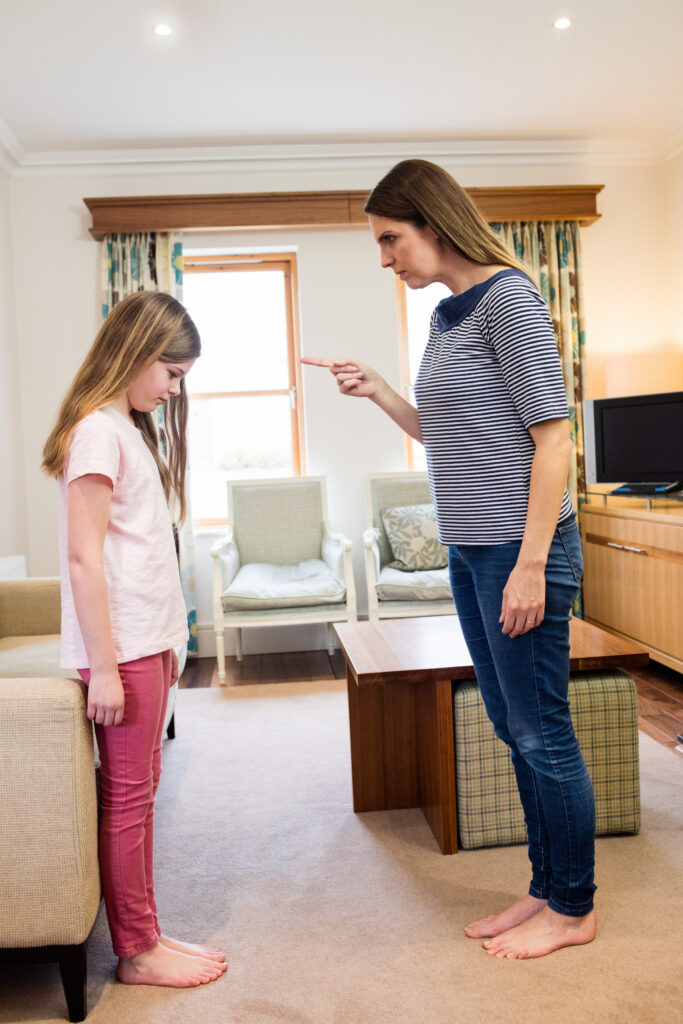
Childhood traumas, if not worked upon in time, can start a never-ending loop of reminiscence. It can also contribute to mental health issues. Traumas like bullying, harassment, public humiliation, etc. can raise anxiety level in you.

Environment and social influences
There are several environmental facts that can have aftereffects
- Overprotective parenting may limit exposure to social challenges, preventing skill-building
- Highly critical or controlling parents can increase the fear of making mistakes
- High emphasis on performance, appearance, or success
- Rigid expectations about behavior in public
Treatment
According to different surveys, this disorder was more evident in women than men. Mostly people develop a way to cope with anxieties. They start living the way it feels comfortable against different anxieties.
Evading different situations may feel relaxing for some time, but life is not a one-time trail; it is a continuous journey of growth.
Barring the extreme conditions, medication for social anxiety disorder can be kept away initially.
Professional Treatment
Cognitive behavior therapy

CBT is mainly a therapist-based recovery process. A qualified doctor (a psychologist or mental health professional) runs a list of tests (basically by asking questions) in a structured way to check the severity of the condition, and after that, plans the treatment.
Basic steps include
Talk-Identify-Awareness-Challenge
- Starting with sessions of 5 to 20 minutes or more, therapists first try to find out your actual condition. Basically, these are talking sessions
- Sessions can be one-on-one or in a group depending upon various factors
- After identifying the actual state, including all your fears, anxieties, triggers, and related issues, the therapist explains it to you thoroughly
Experts explain why all these things are happening to you. What are your wrong perceptions about these emotions, and how should you be reacting to them instead?
- After a mutual understanding, the therapist then starts the treatment. Along with the dos and don’ts, you are also given challenges and homework, which keeps you motivated throughout the day.
- Basically, you learn how to approach and put up with different situations that you have been avoiding for a long time.
CBT is also helpful in treating many other psychological and mental health conditions, including depression, anxiety, PTSD, OCD, trouble sleeping, etc.
Medication for Social Anxiety Disorder
Not to everyone, but depending upon the severity, a doctor or psychiatrist can prescribe medication. Primarily, medication, in conjunction with CBT, is considered the best option.
First line medication/long-term
These are the most commonly prescribed and taken daily medication for social anxiety disorder. It usually takes 2 to 6 weeks to start working but considered the safest for anxiety disorder.
- SSRIs (Selective Serotonin Reuptake Inhibitors). Examples: Sertraline, Paroxetine, Escitalopram
- SNRIs (Serotonin–Norepinephrine Reuptake Inhibitors). Example: Venlafaxine
For specific situations/short-term
These are used before specific events that raise the anxiety levels, and these provide immediate effects.
- Beta-Blockers: These are primarily used in treating “performance anxiety” for, e.g., public speaking. They block the physical effects of the adrenaline hormone and reduce symptoms like a rapid heart rate, shaking voice, and trembling. It is taken about 30–60 minutes before a stressful event. Example: propranolol or atenolol.
- Benzodiazepines: These are short-term, fast-acting anxiety relief but kind of occasional-use medication for social anxiety disorder. These are prescribed for short-term use because there is a risk of dependence on them. Example: Clonazepam, Lorazepam.
Self-help strategies
1. Slow exposure to social situations – If you have social anxiety issues, social events or gatherings may intimidate you. That is why you may have been avoiding them for a long time. But some of them surely have significant importance in your life, so they cannot be evaded forever.
If you confront them gradually and strategically, you might notice that you made a mountain out of a molehill over a small matter. For example, if you fear speaking on stage, then you can practice these steps:
- Practice speaking alone out loud
- Record yourself on video
- Speak in front of a mirror
- Present to 1 trusted person
- Present to 2–3 friends
- Give a short talk in a familiar setting
- Progress to larger audiences
It’s okay to be a little nervous because – The audience cares more about the message than perfection.
2. Breathing and relaxation techniques –
Before and during speaking:
- Slow breathing (inhale 4 sec, exhale 6 sec)
- Relax shoulders and jaw
- Hold something steady (like a clicker or podium) to reduce shaking
These reduce the “fight-or-flight” response.
Practicing relaxing techniques daily, like mindfulness and meditation techniques, also helps reduce anxiety levels.

3. Journaling and self-reflection – Writing down daily experiences and trying to understand how you behaved in different situations gives clarity over your emotions.
If you exercise these techniques seriously and systematically, it can make you more aware of your own behavior problems.
4. Replace avoidance with controlled exposure – Surely avoidance gives short-term relief, but it teaches your brain that escape = safety. But over time, this makes fear stronger.
Make a systematic roadmap.
Make your “Avoidance List”
Example:
- Calling someone
- Talking to strangers
- Posting on social media
- Attending events
Now rank them from least scary (1/10) to most scary (10/10)
Use the “Tiny Step Rule”
This is where most people fail; they go too big.
Examples:
- Instead of calling – type and send a message first.
- Instead of directly starting a conversation, learn some series of small, low-pressure, and realistic steps first that help in making friends with someone.
- Instead of posting on social media – first try reacting to other’s post. For example, like, comment, react with emojis, etc.
- Instead of going to a party directly – stand near a social place for 5 minutes.
Overall, the right mindset is what’s needed to overcome these emotions.

Medication for social anxiety disorder should be the last resort; we must consider self-help strategies in the first place.
If you do not know about your condition yet, you are confused all the time. You may see your peers leading a normal life, achieving normal stuffs in their lives, like getting good grades.
Stop yourself from turning into an introvert.
Stop living your life like a ping-pong ball, constantly getting hit by people and situations, but not complaining at any cost.
Make a road map or get help!
Disclaimer – This information on medications for Social Anxiety Disorder (on this specific page) is for educational purposes only and not medical advice. Drugs like Sertraline or Propranolol should only be used under a qualified healthcare professional’s guidance. Do not start, stop, or change medication without consulting a doctor. Individual responses vary, and professional evaluation is essential.